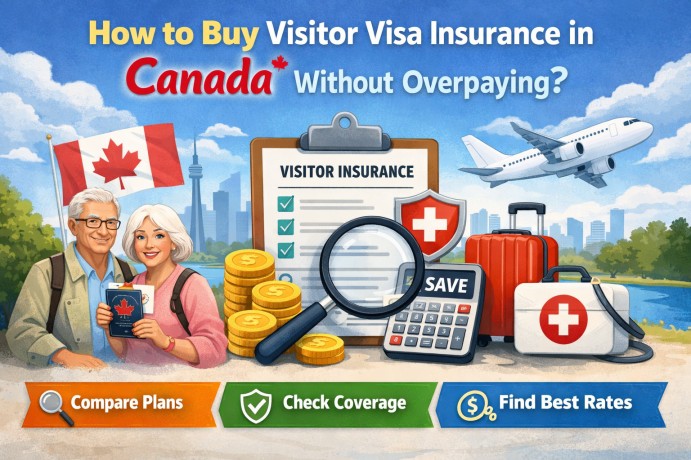
Travelling to Canada as a visitor is an exciting experience, whether it is for tourism, family visits, or short-term personal commitments. However, one aspect that often causes confusion and unnecessary expense is insurance. Many travellers either buy the first policy they see or choose the cheapest option without understanding what they are paying for. Learning how to purchase Visitor Visa Insurance in Canada smartly can save money while still ensuring proper protection during your stay.
Buying insurance should never feel like guesswork. With the right approach, you can avoid overpaying, reduce stress, and make confident decisions that align with both your travel needs and Canadian expectations.
Why Visitor Insurance Is So Important in Canada
Canada does not extend its publicly funded healthcare to visitors. Even a short visit to an emergency room can result in bills that are shockingly high for those unfamiliar with the system. For international travellers, insurance acts as a financial safety net, protecting against medical emergencies, hospital stays, and sudden illnesses.
Immigration officers may not always mandate insurance for standard visitor visas, but they strongly expect travellers to be prepared. Arriving without coverage increases risk, not only financially but also in terms of credibility. When you understand the purpose behind insurance, it becomes easier to buy the right policy instead of the most expensive one.
Understand What You Actually Need Before Buying
Overpaying often starts with misunderstanding your own requirements. Length of stay, age, travel activities, and overall health play a major role in determining suitable coverage. A visitor staying for two weeks does not need the same policy as someone staying for six months.
Before purchasing Visitor Visa Insurance in Canada, clearly define your travel dates and whether you may need flexibility. Buying more coverage time than required or unnecessary add-ons can significantly inflate the premium. At the same time, cutting essential benefits to save money can cost far more in the long run if a medical issue arises.
Compare Coverage, Not Just Price
One of the biggest mistakes travellers make is comparing insurance plans solely based on cost. Two policies may look similar on the surface but differ greatly in coverage limits, exclusions, and claim processes. A cheaper policy may have lower maximum coverage, high deductibles, or strict limitations that reduce its real value.
When comparing plans, focus on emergency medical coverage, hospital expenses, ambulance services, and repatriation benefits. Read the policy wording carefully, especially sections related to exclusions. This approach helps you identify fair pricing and avoid paying extra for features you will never use.
Be Smart About Deductibles and Limits
Choosing a higher deductible is one common way to reduce premiums, but it must be done wisely. A deductible should be affordable in an emergency, not something that creates financial strain. Extremely low premiums often hide very high deductibles, which shift most of the cost back onto the traveller.
Coverage limits also matter. While it may seem cost-effective to select minimal coverage, medical inflation in Canada is real. Reasonable limits provide balance, ensuring protection without inflating premiums unnecessarily. A thoughtfully chosen policy for Visitor Visa Insurance in Canada balances deductible levels and coverage amounts based on realistic risks.
Timing Your Purchase Makes a Difference
Another way travellers overpay is by purchasing insurance too late. Last-minute purchases reduce comparison opportunities and may result in limited plan choices. Some policies also impose waiting periods if bought after arrival, which can leave travellers temporarily uninsured.
Buying insurance before travel provides access to a wider range of plans and often better pricing. Early planning allows you to review options calmly instead of rushing into a decision under pressure.
Avoid Paying for Duplicate Coverage
Some travellers unknowingly pay twice for similar benefits. Credit cards, employer plans, or travel packages sometimes include limited insurance coverage. While these plans are rarely sufficient on their own, understanding what they cover can help you avoid duplication.
Instead of purchasing overlapping benefits, look for policies that complement existing coverage. This strategy reduces unnecessary costs while still maintaining comprehensive protection during your stay in Canada.
Work With Specialists Who Understand Visitor Needs
General insurance providers may not always understand the specific needs of international visitors. Policies designed for residents often include features that visitors cannot use, which adds unnecessary cost. Working with specialists who focus on visitor coverage ensures that you are not paying for irrelevant benefits.
Experienced providers also explain policy details clearly, help adjust coverage when travel plans change, and support claims efficiently. This guidance is especially valuable for first-time visitors who may find Canadian insurance terminology confusing.
Long-Term Savings Through the Right Choice
Overpaying is not always about spending more upfront. Choosing the wrong policy can lead to unexpected expenses during a medical emergency, effectively costing far more than a well-priced plan would have. The goal is not to find the cheapest insurance, but the most appropriate one.
When travellers take time to understand coverage, compare wisely, and choose reliable providers, they gain real value. A well-structured Visitor Visa Insurance in Canada plan protects health, finances, and peace of mind throughout the visit.
If you are planning a visit to Canada and want coverage that is transparent, fairly priced, and tailored to real visitor needs, Parent Super Visa Insurance Company is here to help. Speak with our experts today and secure insurance that protects you without overpaying, so you can focus on enjoying your time in Canada.