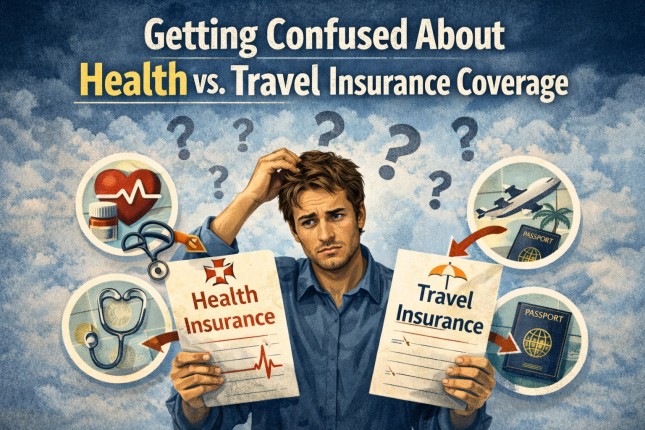
Insurance terminology often sounds straightforward, yet many visitors to Canada find themselves confused when choosing between health insurance and travel insurance. This confusion becomes even more critical for parents and grandparents visiting family under the Super Visa program. Selecting the wrong coverage can lead to denied claims, unexpected medical bills, and unnecessary stress during what should be a comfortable stay. Understanding how these insurance types differ is essential for making informed decisions in 2026.
Why the Confusion Happens in the First Place
Health insurance and travel insurance are frequently marketed together, sometimes even bundled into a single product. This creates the impression that both provide the same benefits. In reality, each serves a different purpose, and misunderstanding those purposes can be costly.
Many families assume that any travel-related policy automatically meets immigration requirements. However, only properly structured super visa medical insurance satisfies the specific conditions set by the Canadian government, making clarity more important than ever.
What Health Insurance Really Covers
Health insurance for visitors is designed primarily to address medical needs. This includes emergency hospital care, physician services, diagnostic tests, and sometimes prescription medications. The coverage focuses on protecting individuals from high healthcare costs in a foreign country where public healthcare is not accessible.
In the context of long-term stays, super visa medical insurance is a form of visitor health insurance that provides extended medical protection, often for up to one year or longer, depending on policy terms.
What Travel Insurance Is Designed For
Travel insurance, on the other hand, is broader but often shallower in medical coverage. It typically includes trip cancellation, baggage loss, flight delays, and limited emergency medical benefits. While useful for short vacations, travel insurance usually does not meet the medical coverage thresholds required for extended visits.
Families mistakenly purchasing standard travel insurance instead of super visa medical insurance often discover too late that their policy does not comply with visa rules or provide sufficient medical protection.
Visa Requirements Add Another Layer of Complexity
For Super Visa applicants, insurance is not optional. The policy must meet minimum coverage limits, be valid for at least one year, and be issued by a Canadian insurer. Travel insurance policies, especially those purchased internationally, may fail to meet these requirements.
This is where confusion peaks. Without understanding the distinction, applicants may assume a cheaper travel plan is adequate, only to face visa delays or rejections due to improper super visa medical insurance documentation.
Differences in Coverage Duration and Limits
Another key difference lies in how long coverage lasts. Travel insurance is usually intended for short trips, often capped at a few weeks or months. Medical coverage limits may also be significantly lower.
In contrast, super visa medical insurance is structured for longer stays and higher medical expenses. It accounts for the realities of extended visits, including increased health risks associated with age and duration of stay.
Pre-Existing Conditions and Stability Rules
Pre-existing medical conditions are treated very differently under health and travel insurance. Travel insurance often excludes them entirely or covers them only under strict emergency definitions.
Medical insurance designed for Super Visa holders usually offers conditional coverage, provided stability requirements are met. Understanding these conditions is essential, as violating them can result in claim denial even under valid super visa medical insurance policies.
Claims Processing and Support Expectations
Travel insurance claims are often processed after the trip ends, reimbursing expenses already paid. Medical insurance claims, especially for serious health issues, often involve direct billing with hospitals or quicker processing timelines.
Families expecting seamless support may be disappointed if they rely on travel insurance during medical emergencies. Policies designed as super visa medical insurance are generally better equipped to handle urgent healthcare scenarios in Canada.
Cost Misconceptions and Long-Term Risk
One reason travel insurance is appealing is its lower upfront cost. However, lower premiums often reflect limited medical coverage. In a country where healthcare services are expensive for visitors, this can quickly become a financial burden.
Choosing proper medical coverage may appear more expensive initially, but it significantly reduces long-term risk. The cost difference is minimal compared to potential hospital bills that can arise without adequate protection.
The Emotional Toll of Being Underinsured
Insurance confusion does not just have financial consequences. Parents visiting family often experience anxiety when medical issues arise, especially if coverage details are unclear. Stress can worsen health outcomes and strain family relationships.
Clear understanding and proper coverage provide peace of mind. Knowing that medical needs are covered allows parents to focus on spending quality time with loved ones rather than worrying about expenses.
Making the Right Choice in 2026
As travel patterns evolve and healthcare costs continue to rise, making informed insurance decisions is more important than ever. Health insurance and travel insurance are not interchangeable, especially for long-term visitors.
Families should carefully assess coverage terms, eligibility requirements, and claim processes before purchasing any policy. Professional guidance can help avoid misunderstandings and ensure compliance with immigration rules.
Choosing the right protection starts with clarity. Parent Super Visa Insurance Company helps families understand the difference between health and travel coverage and guides them toward reliable super visa medical insurance options that meet both medical needs and visa requirements. Reach out today to protect your loved ones with confidence and care.