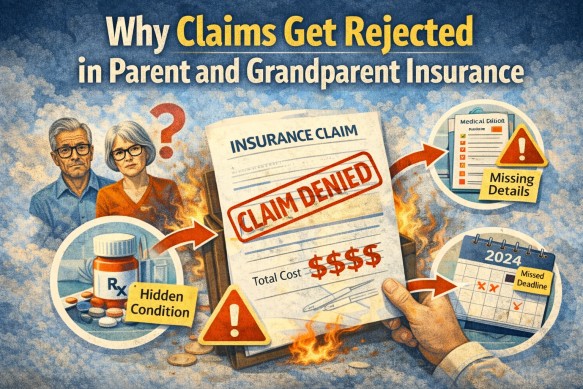
For many Canadian families, inviting parents or grandparents to stay for extended periods is both joyful and meaningful. However, that joy can quickly turn into stress when a medical insurance claim is rejected. Claim denials are more common than families expect, and most occur not because insurers act unfairly, but because policies are misunderstood or conditions are overlooked. Understanding why claims fail is essential to choosing and using parent and grandparent insurance wisely.
Lack of Proper Disclosure at the Time of Purchase
One of the most frequent reasons claims are rejected is incomplete or inaccurate disclosure of medical history. Insurance providers rely heavily on the information given during application. Even small omissions, such as forgetting to mention a past condition that seems insignificant, can affect eligibility.
When insurers review a claim, they compare it with the original application. If they discover discrepancies, the claim may be denied or the policy voided entirely. This is why transparency is critical when buying parent and grandparent insurance, especially for older applicants with prior medical histories.
Pre-Existing Conditions That Do Not Meet Stability Requirements
Many families assume that declaring a pre-existing condition automatically ensures coverage. In reality, coverage depends on stability clauses defined in the policy. A condition is considered stable only if there have been no changes in medication, treatment, symptoms, or test results for a specific period.
Claims are often rejected when a medical emergency is linked to a condition that was not considered stable under the policy’s definition. Carefully reviewing stability requirements is a crucial step when selecting parent and grandparent insurance, as definitions vary between insurers.
Policy Not Active at the Time of Treatment
Timing plays a major role in claim eligibility. Some families delay purchasing insurance or activate coverage later than intended. If a medical incident occurs before the policy start date or during a lapse in coverage, the claim will not be honoured.
Insurance must be active continuously for the entire stay. This is particularly important for extended visits or multiple entries. Reliable parent and grandparent insurance ensures uninterrupted protection from arrival to departure.
Seeking Treatment Without Following Policy Procedures
Many insurance policies require specific procedures to be followed during medical emergencies. These may include calling an assistance number before hospital admission or using approved healthcare facilities where possible.
Claims are sometimes denied because families were unaware of these requirements and acted independently. While emergencies understandably cause panic, understanding the insurer’s procedures ahead of time can prevent complications. Choosing parent and grandparent insurance with clear guidance and support services can make a significant difference.
Exceeding Policy Coverage Limits and Sub-Limits
Another common reason for claim rejection or partial payment is exceeding coverage limits. While a policy may advertise a high overall coverage amount, specific services such as ambulance use, diagnostics, or prescription drugs may have lower sub-limits.
If expenses exceed these limits, the insurer is not obligated to pay the difference. Families are often surprised by out-of-pocket costs they did not anticipate. Reviewing benefit limits carefully is essential when evaluating parent and grandparent insurance options.
Claims Related to Excluded Activities or Conditions
Insurance policies include exclusions that are sometimes overlooked during purchase. Certain activities, elective treatments, or conditions may not be covered. For example, complications from non-emergency procedures or injuries related to excluded activities may lead to claim denial.
Understanding exclusions is just as important as understanding coverage. A comprehensive parent and grandparent insurance plan clearly outlines what is not covered, helping families make informed decisions.
Incorrect Documentation or Late Claim Submission
Insurance claims require proper documentation, including medical reports, invoices, and receipts. Missing paperwork or submitting claims after the allowed timeframe can result in rejection.
Families often assume hospitals automatically coordinate with insurers, which is not always the case. Keeping records and submitting claims promptly ensures smoother processing. Supportive parent and grandparent insurance providers guide families through this process to avoid unnecessary errors.
Policy Does Not Meet Visa or Visit Requirements
In some cases, families purchase insurance that does not fully comply with visa conditions or length-of-stay requirements. When claims arise, insurers may identify that the policy terms were not aligned with the actual visit details.
Ensuring the policy duration, coverage amount, and eligibility criteria match the visitor’s situation is vital. This alignment is a core feature of well-structured parent and grandparent insurance solutions.
Understanding Insurance Prevents Rejection
Most claim rejections are preventable with better understanding and professional guidance. Insurance is not just a document; it is a contract with specific conditions that must be respected. Families who take time to review policy wording, ask questions, and disclose information honestly are far less likely to face issues.
Parent Super Visa Insurance specializes in helping families choose insurance that works when it matters most. Our experts explain policy details clearly, help avoid common pitfalls, and support you through the claims process. Contact us today to secure dependable parent and grandparent insurance and protect your loved ones with confidence.