When families invite their parents, relatives, or friends to Canada, excitement often takes centre stage. Travel plans are made, guest rooms are prepared, and reunions are anticipated. Yet, one important detail sometimes gets overlooked or misunderstood: visitor visa insurance.
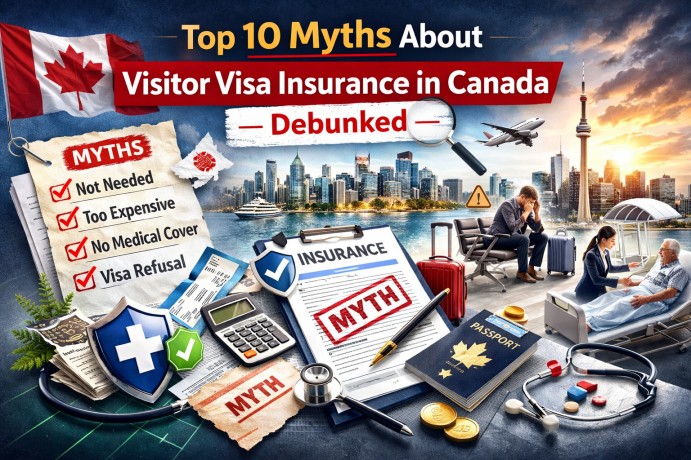
Over the years, several myths have circulated about visitor visa insurance in Canada. These misconceptions can lead to confusion, inadequate coverage, or unnecessary financial risk. Let’s clear the air and debunk the top 10 myths so you can make informed decisions with confidence.
Myth 1: Visitor Visa Insurance Is Optional
One of the most common misunderstandings is that visitor visa insurance is simply an optional add-on. While it may not be legally mandatory for all visitor visa holders, it is strongly recommended—and in the case of Super Visa applicants, it is required.
Healthcare in Canada is publicly funded for residents, but visitors are not covered under provincial health plans. Even a minor emergency room visit can cost hundreds or thousands of dollars. Having proper visitor visa insurance ensures that unexpected medical bills don’t turn a joyful visit into a financial burden.
Myth 2: Canada’s Healthcare System Covers Everyone
Canada is known worldwide for its public healthcare system. However, that coverage applies primarily to citizens and permanent residents. Visitors, including parents and grandparents arriving on temporary visas, are not automatically eligible for provincial healthcare.
Without visitor visa insurance, visitors must pay out-of-pocket for doctor visits, hospital stays, ambulance services, and prescriptions. The costs can escalate quickly, particularly in major cities.
Myth 3: It’s Too Expensive to Be Worth It
Some families assume visitor visa insurance is prohibitively expensive. In reality, it is far more affordable than paying for even a single emergency treatment without coverage.
Premiums vary depending on age, health condition, and duration of stay, but compared to potential hospital bills that could reach tens of thousands of dollars, insurance is a cost-effective safeguard. When viewed as financial protection rather than an expense, its value becomes clear.
Myth 4: All Policies Offer the Same Coverage
Not all visitor visa insurance plans are identical. Coverage limits, deductibles, exclusions, and benefits can differ significantly between providers.
Some plans offer coverage for pre-existing conditions under specific stability requirements, while others may not. Emergency dental treatment, repatriation, and follow-up visits may also vary. Carefully reviewing policy details helps ensure that your loved ones receive the protection they truly need.
Myth 5: Pre-Existing Conditions Are Always Excluded
This myth discourages many families from even exploring coverage options. While certain conditions may be excluded, many Visitor Visa Insurance plans provide coverage for stable pre-existing medical conditions, provided they meet defined stability periods before travel.
Transparency during the application process is key. Accurate medical disclosure helps avoid claim denials and ensures proper protection.
Myth 6: Younger Visitors Don’t Need Insurance
It’s easy to assume that insurance is primarily for elderly travellers. However, accidents and sudden illnesses can happen to anyone, regardless of age.
A slip on icy pavement, food poisoning, or an unexpected infection can require immediate medical care. Visitor Visa Insurance offers protection across all age groups, ensuring visitors are covered no matter what arises during their stay.
Myth 7: Travel Insurance and Visitor Visa Insurance Are the Same
Although the terms are sometimes used interchangeably, they are not identical. Travel insurance often focuses on trip cancellation, lost luggage, or flight delays.
Visitor Visa Insurance, on the other hand, primarily covers emergency medical expenses during a visitor’s stay in Canada. Understanding this distinction ensures families select the right type of policy tailored to their situation.
Myth 8: Claims Are Almost Impossible to Process
Another common fear is that insurance companies make it difficult to file claims. While documentation is required—such as medical reports and receipts—reputable providers streamline the process to support policyholders during emergencies.
In many cases, hospitals can bill the insurance provider directly, reducing upfront payments. Choosing a trusted company makes a significant difference in the overall experience.
Myth 9: Coverage Starts Automatically Upon Arrival
Some travellers assume they can arrange visitor visa insurance after landing in Canada. However, coverage typically must be purchased before arrival, and policies clearly define their effective dates.
Waiting until after a medical issue arises will not result in retroactive coverage. Planning ahead ensures that visitors are protected from the moment their coverage begins.
Myth 10: It’s Only Necessary for Long Stays
Even short visits carry risks. Medical emergencies do not operate on timelines. Whether a visitor stays for two weeks or six months, the possibility of unexpected illness or injury remains.
Visitor Visa Insurance provides peace of mind throughout the entire visit, regardless of its duration. A short-term policy can be arranged to match travel dates, making it flexible and practical.
Why Understanding the Truth Matters
Believing these myths can lead to serious financial consequences. Canada’s healthcare system offers exceptional care, but it comes at a cost for non-residents. By securing appropriate visitor visa insurance, families protect not only their visiting loved ones but also themselves from unexpected liabilities.
When parents or relatives travel thousands of kilometres to reunite with family, the focus should be on creating memories—not worrying about potential hospital bills.
Choose Protection You Can Trust
At Parent Super Visa Insurance Company, we understand that welcoming loved ones to Canada is an emotional and meaningful experience. Our tailored Visitor Visa Insurance solutions are designed to provide comprehensive coverage, competitive pricing, and clear policy terms—so you can feel confident every step of the way.
Don’t let misinformation guide your decisions. Contact Parent Super Visa Insurance Company today to explore flexible coverage options and ensure your family’s visit to Canada is protected from the unexpected.
Frequently Asked Questions:
- Is Visitor Visa Insurance mandatory for all visitors to Canada?
Visitor Visa Insurance is not mandatory for every visitor visa holder, but it is strongly recommended. For Super Visa applicants, it is a required part of the application process. - When should Visitor Visa Insurance be purchased?
Visitor Visa Insurance should be purchased before the visitor arrives in Canada. Coverage typically starts on the effective date selected in the policy documents. - What does Visitor Visa Insurance usually cover?
Most Visitor Visa Insurance plans cover emergency medical care, hospitalization, ambulance services, and diagnostic tests. Some policies may also include prescription drugs and emergency dental treatment. - Can Visitor Visa Insurance be extended if the visit is prolonged?
Yes, many providers allow extensions if requested before the policy expires. Approval may depend on whether there have been any claims or changes in medical condition. - Does Visitor Visa Insurance cover pre-existing medical conditions?
Some Visitor Visa Insurance plans cover stable pre-existing conditions if specific stability requirements are met. It is important to review policy details carefully before purchasing. - What happens if a medical emergency occurs?
In case of an emergency, the visitor should seek immediate medical attention and contact the insurance provider as soon as possible. Many insurers coordinate directly with hospitals to manage billing. - Can Visitor Visa Insurance be cancelled for a refund?
Yes, in many cases Visitor Visa Insurance can be cancelled for a partial or full refund if no claims have been made and certain conditions are met. Refund policies vary by provider.