Travelling to Canada to reunite with family is often filled with anticipation and emotion. Parents meeting grandchildren, siblings reconnecting after years apart, and loved ones finally sharing everyday moments—these are the memories visitors look forward to. However, travel does not always unfold exactly as planned. Flights get delayed, luggage goes missing, and occasionally, medical emergencies arise without warning.
This is where Visitor Visa Insurance becomes more than just a document for immigration purposes. It becomes a safety net. When properly arranged before arrival, visitor visa insurance can help families manage both medical and travel-related uncertainties with far less stress.
Let’s take a closer look at how this coverage provides meaningful support during unexpected travel delays and emergencies in Canada.
The Reality of Travel Delays
Even with modern aviation systems, delays remain common. Weather disruptions, mechanical issues, and airport congestion can all affect flight schedules. For older travellers especially, extended layovers or missed connections can be exhausting and physically demanding.
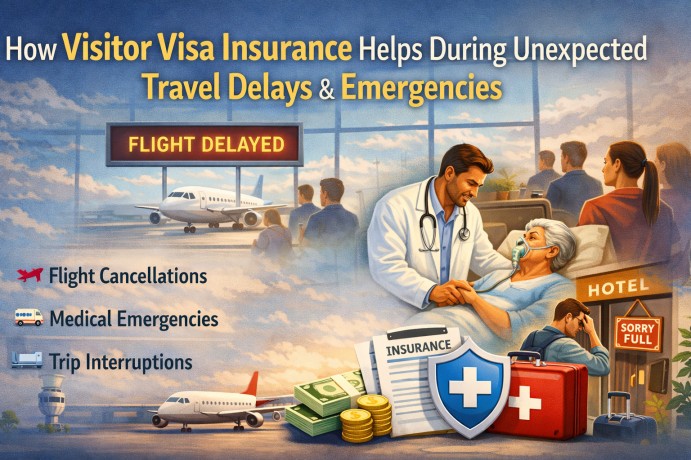
While Visitor Visa Insurance primarily focuses on emergency medical coverage, many plans also provide benefits related to travel disruptions. For example, if a delay results in additional accommodation costs or meal expenses due to circumstances beyond the traveller’s control, certain policies may offer reimbursement within defined limits.
More importantly, travel delays can sometimes lead to health complications. Long waiting hours, dehydration, or stress may trigger underlying health conditions. In such situations, visitor visa insurance ensures access to immediate medical care without financial panic.
Emergency Medical Situations: The Most Critical Protection
The most significant benefit of Visitor Visa Insurance is coverage for emergency healthcare. Canada’s healthcare system offers excellent medical services, but visitors are not covered under provincial health plans. This means that any hospital visit, diagnostic test, ambulance ride, or surgery must be paid out-of-pocket unless insurance is in place.
Consider a simple example: a parent slips on icy pavement during winter and fractures a wrist. The ambulance transportation, emergency room assessment, X-rays, and follow-up treatment could cost thousands of dollars. With proper visitor visa insurance, those unexpected expenses are covered according to the policy terms.
In more serious situations such as heart complications, respiratory infections, or sudden illness, costs can escalate quickly. Hospital stays in Canada are expensive, and intensive care services can be financially overwhelming. Insurance coverage transforms what could be a financial crisis into a manageable situation.
Protection During Medical Emergencies While in Transit
Emergencies do not only occur after arrival. They can happen during layovers or connecting flights as well. Sudden dizziness, chest discomfort, or severe allergic reactions require immediate medical attention.
Many Visitor Visa Insurance policies begin coverage from the selected effective date, which may include the travel period itself. This provides reassurance that medical treatment needed en route to Canada may be eligible for coverage, depending on the policy details.
For families waiting anxiously at the arrival gate, knowing that their loved one is protected from the moment coverage begins provides tremendous peace of mind.
Coverage for Pre-Existing Conditions Under Stability Rules
Unexpected flare-ups of stable medical conditions can occur, especially after long-distance travel. Changes in climate, diet, and time zones may impact blood pressure, diabetes, or other managed health concerns.
Certain Visitor Visa Insurance plans include coverage for stable pre-existing conditions, provided they meet the insurer’s stability requirements before departure. This can be particularly valuable for elderly visitors who are otherwise in good health but manage ongoing conditions.
Transparent medical disclosure during the application process is essential. When properly arranged, the coverage acts as a protective shield against sudden, unforeseen complications.
Assistance Services During Emergencies
Insurance support goes beyond reimbursement. Many providers offer 24/7 emergency assistance hotlines to guide visitors through urgent situations. This can include helping locate the nearest hospital, coordinating direct billing, or arranging translation services if needed.
Imagine a visitor who does not speak fluent English and suddenly requires medical attention. Having access to a support line through Visitor Visa Insurance ensures they are not navigating a stressful system alone. Assistance services can significantly reduce confusion during critical moments.
Financial Stability for the Host Family
When parents or relatives visit Canada, the host family often feels a sense of responsibility for their well-being. Without insurance, unexpected hospital bills could create significant financial strain for Canadian sponsors.
Visitor Visa Insurance protects not only the traveller but also the hosting family. Instead of scrambling to arrange funds for emergency treatment, families can focus on providing emotional support and care.
In this way, insurance becomes a shared protection plan—offering reassurance on both sides.
Peace of Mind During Weather and Seasonal Risks
Canada’s diverse climate can sometimes surprise visitors. Winter conditions increase the risk of slips and falls, while summer heat may cause dehydration or heat-related illnesses. Seasonal influenza outbreaks or other contagious illnesses can also impact travellers.
Visitor Visa Insurance ensures that, regardless of the season, visitors have access to prompt medical care without hesitation due to cost concerns. When medical attention is sought quickly, recovery outcomes are often better.
The Importance of Choosing the Right Provider
Not all policies are created equal. Coverage limits, deductibles, exclusions, and eligibility criteria differ between insurers. It is important to review the fine print carefully and choose a reputable provider that understands the unique needs of visiting parents and grandparents.
At Parent Super Visa Insurance Company, we recognize how important family visits are. Our customized insurance solutions are designed to provide comprehensive coverage, competitive premiums, and clear terms that eliminate confusion. When emergencies or travel disruptions occur, you deserve dependable support.
If your loved ones are planning a trip to Canada, do not leave their protection to chance. Contact Parent Super Visa Insurance Company today to explore flexible coverage options and secure reliable protection before travel begins.
Frequently Asked Questions
- Does Visitor Visa Insurance cover flight cancellations?
Some policies may include limited benefits related to travel interruptions or delays. Coverage details vary, so it is important to review the specific plan terms carefully. - Is Visitor Visa Insurance required for Super Visa applicants?
Yes, Super Visa applicants must provide proof of valid medical insurance coverage that meets government requirements before approval. - When does Visitor Visa Insurance coverage begin?
Coverage begins on the effective date chosen during purchase. It is important to ensure the start date aligns with the visitor’s travel plans. - Can visitor visa insurance cover hospitalization costs in full?
Most policies provide coverage up to the selected policy limit. The exact amount paid depends on coverage limits, deductibles, and policy conditions. - Are emergency ambulance services included?
In most cases, emergency ambulance transportation is covered under Visitor Visa Insurance when deemed medically necessary. - Can coverage be extended if travel plans change?
Many insurers allow policy extensions if requested before the current coverage expires and provided no claims have occurred. - What should a visitor do during a medical emergency?
Seek immediate medical attention first, then contact the insurance provider’s emergency assistance line as soon as possible to report the incident and receive guidance.