Inviting your parents, grandparents, or relatives to Canada is a special moment. Months of planning, visa paperwork, and travel arrangements finally come together when they step off the plane. But amid all the excitement, one decision carries significant importance: choosing the right visitor visa insurance in Canada.
Healthcare costs for non-residents can be extremely high. A simple emergency room visit may cost hundreds, while hospitalization or surgery can run into thousands of dollars per day. That’s why selecting proper visitor visa insurance in Canada is not just a requirement for some visa categories—it’s a financial safety net.
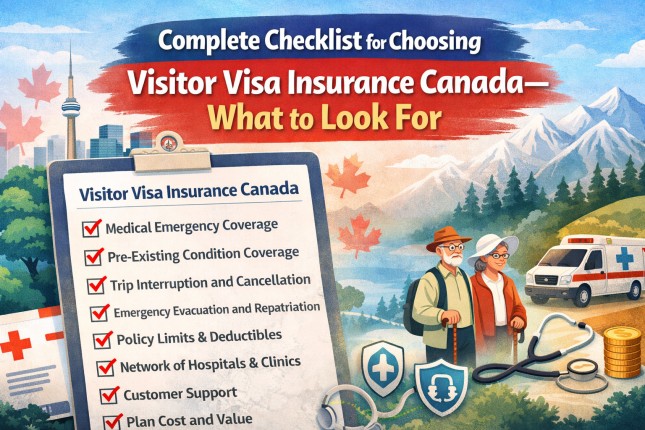
To help you make a confident and informed decision, here is a complete checklist outlining what to look for before purchasing coverage.
- Adequate Coverage Amount
The first item on your checklist should be the coverage limit. Most policies offer options ranging from $50,000 to $300,000 or more. While a lower premium may seem appealing, choosing insufficient coverage can leave families vulnerable.
Medical treatment in Canada is costly, particularly in cases involving surgeries, intensive care, or prolonged hospital stays. When evaluating visitor visa insurance in Canada, ensure the policy offers a coverage amount that provides real protection—not just the minimum requirement.
For elderly visitors or those with managed health conditions, higher coverage limits are generally recommended for added peace of mind.
- Coverage for Stable Pre-Existing Conditions
Many visiting parents manage conditions such as high blood pressure, diabetes, or heart-related concerns. A critical checklist item is whether the policy covers stable pre-existing medical conditions.
Some visitor visa insurance plans in Canada include this coverage if the condition has remained stable for a specific period before travel. Stability periods can vary—often 90 to 180 days—so reviewing the fine print is essential.
Full and honest disclosure during the application process prevents claim complications later. This step alone can make a significant difference if an unexpected flare-up occurs.
- Deductible Options and Premium Balance
Insurance policies often allow you to choose a deductible—the amount you agree to pay out-of-pocket before coverage applies. A higher deductible typically reduces the premium, while a lower deductible increases it.
When selecting visitor visa insurance in Canada, consider your financial comfort level. A lower premium may seem attractive, but ensure the deductible is still affordable should a claim arise.
Balancing premium affordability with realistic out-of-pocket responsibility is key.
- Emergency Medical Benefits
The core purpose of visitor visa insurance in Canada is emergency medical protection. Review what the policy includes:
- Emergency hospitalization
- Diagnostic tests such as X-rays or MRIs
- Ambulance services
- Prescription medication during emergencies
- Follow-up visits related to the same incident
Ensure these benefits are clearly outlined and not subject to unexpected exclusions.
- Direct Billing and Claims Process
During a medical emergency, the last thing anyone wants is complicated paperwork. Some insurers offer direct billing arrangements with hospitals, meaning the medical facility bills the insurer directly rather than the visitor paying upfront.
Understanding how claims are handled should be part of your checklist. Reliable visitor visa insurance providers in Canada offer clear instructions, 24/7 emergency assistance lines, and responsive claims support.
This service can significantly reduce stress during an already difficult situation.
- Policy Duration and Extension Flexibility
Visitors do not always leave on their originally scheduled date. Travel plans may change, or families may decide to extend the visit.
Before purchasing visitor visa insurance in Canada, confirm whether the policy allows extensions and under what conditions. Many insurers permit extensions if requested before expiry and if no claims have been made.
Flexibility ensures continued protection without gaps in coverage.
- Waiting Periods and Effective Dates
Coverage does not always begin immediately upon purchase. Some policies include waiting periods for certain benefits, especially for pre-existing conditions.
When arranging visitor visa insurance in Canada, verify the effective date carefully. Coverage should align with the visitor’s arrival date to avoid uninsured gaps.
Advance planning helps eliminate last-minute stress.
- Exclusions and Limitations
Every policy contains exclusions. Common exclusions may include elective treatments, cosmetic procedures, routine check-ups, or injuries resulting from high-risk activities.
Carefully reading the policy wording ensures there are no surprises later. The best visitor visa insurance policies in Canada are transparent and easy to understand, with clearly defined coverage boundaries.
Taking time to review exclusions protects your family from unexpected claim denials.
- Refund Policy
Sometimes visas are delayed or refused, or travel plans change. A clear refund policy is an important checklist item.
Many visitor visa insurance providers in Canada offer full or partial refunds if no claims have been made and cancellation is requested within specified timeframes.
This flexibility provides added reassurance during uncertain travel timelines.
- Reputation and Customer Support
Finally, choose a provider with a strong reputation for reliability and service. Reviews, testimonials, and industry experience matter.
Visitor visa insurance in Canada is not just about paperwork; it’s about real support when emergencies happen. A dependable provider ensures families are not navigating difficult moments alone.
At Parent Super Visa Insurance Company, we understand how meaningful family visits are. Our tailored insurance solutions are designed to provide comprehensive coverage, transparent terms, competitive pricing, and dependable support when you need it most.
If your loved ones are planning a visit to Canada, don’t leave their protection to chance. Contact Parent Super Visa Insurance Company today and let us help you secure the right coverage with confidence.
Frequently Asked Questions
- Is visitor visa insurance in Canada mandatory?
It is mandatory for Super Visa applicants and strongly recommended for all other visitors. Without it, medical expenses must be paid entirely out-of-pocket. - How much coverage should I choose?
Most families select at least $100,000 in coverage. Higher limits provide better protection, especially for elderly visitors. - Can visitor visa insurance in Canada cover pre-existing conditions?
Yes, many plans cover stable pre-existing conditions if stability requirements are met. Always review the policy details carefully. - When should I purchase the policy?
It is best to purchase coverage before the visitor arrives in Canada. This ensures protection begins on the correct effective date. - Can the policy be extended?
In many cases, yes. Extensions are usually allowed if requested before the current policy expires and no claims have occurred. - Are routine doctor visits covered?
Most policies focus on emergency medical treatment. Routine check-ups and non-emergency visits are typically excluded. - Can I receive a refund if the visa is denied?
Many providers offer refunds if the visa is refused and no claims have been made. Refund policies vary by insurer.