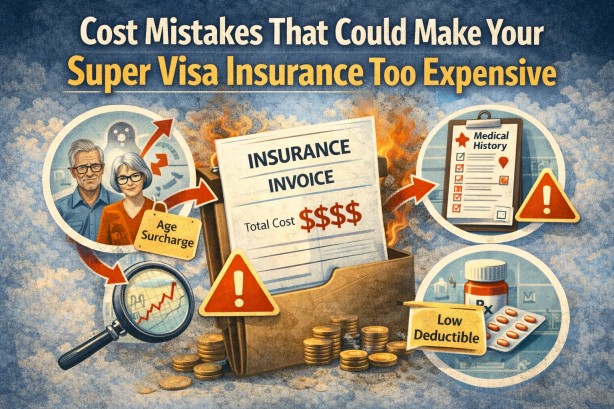
For many Canadian families, welcoming parents or grandparents through the Super Visa program is both an emotional and financial commitment. While most people expect insurance to be a major expense, what often goes unnoticed is how small missteps can quietly inflate premiums far beyond what is necessary. In 2026, rising healthcare expenses and evolving underwriting rules have made planning even more important. Understanding the cost-related mistakes families make can help you avoid paying more than you should while still meeting immigration requirements.
The reality is that insurance pricing is rarely random. Age, health history, coverage choices, and timing all play a role. When these factors are misunderstood or overlooked, families can find themselves facing a Super Visa Insurance Cost that feels excessive without realizing it could have been managed more effectively.
Choosing Maximum Coverage Without Assessing Real Needs
One of the most common mistakes is automatically selecting the highest coverage amount available. While higher coverage limits may seem like the safest choice, they are not always necessary for every situation. Many families assume that choosing the maximum limit will strengthen a visa application, but immigration requirements only specify a minimum level of coverage.
When higher limits are chosen without assessing actual medical needs, premiums increase accordingly. This does not mean higher coverage is wrong, but it should be a deliberate decision based on age, health condition, and length of stay rather than a default selection. A thoughtful balance between coverage and affordability can significantly reduce annual costs without compromising compliance.
Ignoring Deductibles as a Cost-Control Tool
Deductibles are often misunderstood or dismissed altogether. Some families focus solely on monthly or annual premiums and overlook how deductibles influence pricing. A low deductible usually results in higher premiums, while a higher deductible can reduce costs substantially.
Choosing a deductible does involve risk, as it represents the amount paid out of pocket before coverage begins. However, for parents with stable health and a low likelihood of hospitalization, a moderate deductible can be a practical way to control expenses. Ignoring this option can unnecessarily drive up the overall cost of coverage.
Overlooking the Impact of Age Bands
Age is one of the most influential factors in insurance pricing. Policies are typically priced in age bands, and even a small difference in age can lead to a noticeable increase in premiums. Families sometimes delay purchasing insurance, thinking it makes no difference, only to discover that a birthday has pushed the applicant into a higher pricing category.
Planning ahead and purchasing coverage before entering a new age band can help lock in a lower rate. In 2026, insurers continue to adjust pricing models, making timing more important than many applicants realize.
Mismanaging Pre-Existing Condition Declarations
Pre-existing conditions are another area where cost mistakes frequently occur. Some families believe that fully declaring medical history will automatically raise premiums, so they attempt to choose plans that minimize medical questions. Others select policies that appear cheaper without realizing they exclude coverage for certain conditions.
Both approaches can backfire. Policies that include coverage for stable pre-existing conditions may have higher premiums, but they offer meaningful protection. Cheaper plans with strict exclusions may lead to denied claims, resulting in significant out-of-pocket expenses that far exceed any initial savings.
Understanding how medical history affects underwriting helps families choose policies that are cost-effective in the long term rather than just at the time of purchase.
Paying for Features That Are Never Used
Insurance plans often include optional add-ons or extended benefits that increase premiums. These may include enhanced dental coverage, routine check-ups, or extended follow-up visits. While these features can be valuable in some cases, they are not always necessary for short or stable visits.
Families sometimes select comprehensive packages without reviewing whether these extras align with their parents’ actual needs. Over time, these unused benefits contribute to a higher Super Visa Insurance Cost without delivering corresponding value. Reviewing each feature carefully ensures you only pay for what truly matters.
Failing to Compare Pricing Structures
Insurance premiums are calculated differently across providers. One insurer may offer lower base premiums but higher deductibles, while another may include broader coverage at a slightly higher rate. Families who choose the first option they see often miss opportunities for better pricing elsewhere.
Comparing pricing structures, not just headline premiums, can reveal meaningful savings. This includes reviewing refund policies, rate stability over time, and how premiums are adjusted upon renewal. Without comparison, families may unknowingly commit to a plan that is more expensive than necessary for their situation.
Assuming Refund Policies Will Offset Costs
Another common assumption is that unused coverage will always result in a full refund. While many insurers do offer refunds under certain conditions, they often include administrative fees or pro-rated calculations. Families who rely on refunds as a cost-control strategy may be disappointed when they receive less than expected.
Understanding refund terms in advance helps set realistic expectations and prevents frustration. A policy with a slightly higher premium but clearer refund terms may ultimately be more economical.
Not Seeking Professional Guidance
Insurance pricing is complex, and small details can have a significant impact on cost. Families who navigate the process alone may miss opportunities to reduce premiums legally and ethically. Professional guidance can help align coverage choices with real needs, ensuring compliance without overspending.
In 2026, with healthcare and insurance markets continuing to evolve, informed advice is more valuable than ever. Choosing wisely from the start can prevent years of paying more than necessary.
Ultimately, controlling Super Visa Insurance Cost is less about cutting corners and more about making informed decisions. When coverage is chosen thoughtfully, families can protect their loved ones without placing unnecessary strain on their finances.
Avoid paying more than you should for Super Visa coverage. Parent Super Visa Insurance Company helps families understand pricing factors, avoid costly mistakes, and choose plans that offer real value. Speak with their experienced advisors today and secure insurance that protects your parents while respecting your budget.